Copper (Cu) - Copper is a metal whose beginnings of use date back to 8,000 years ago. Copper has been known since prehistoric times, so that era in human history is also called the Copper Age. The Latin name for copper is cuprum, from which the symbol for the element is derived. It is represented in the earth's crust in the form of minerals: chalcopyrite, chalcosine and others. A lack of copper in the human body can cause anemia and a reduced amount of white blood cells, and therefore the body's resistance to diseases. The biggest source of copper in the diet is seafood, and among them, oysters contain the most copper. Copper can also be found in grainy brown bread, green leafy vegetables, cooked offal and kiwi.
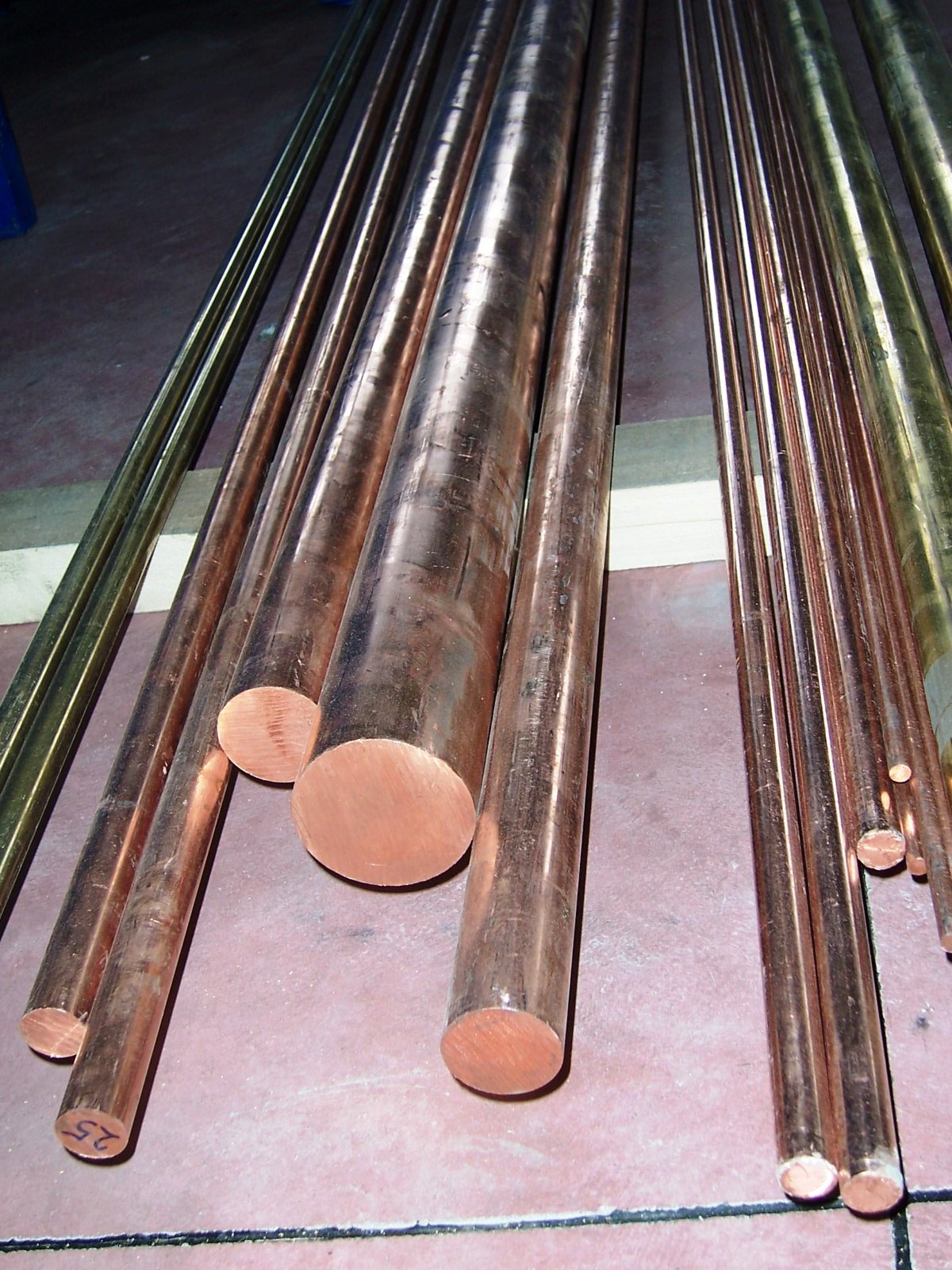
Copper is a soft metal of reddish-brown color, with very high thermal and electrical conductivity. Copper is massively used for the production of electrical conductors and in electronics in general. Due to the small reserves and large application, copper is a material of strategic importance. Copper is added to various alloys. It is also mixed with silver and gold, which significantly improves their mechanical properties. In construction, copper is used as a roof covering and for making gutters, and more recently as a material for cladding facades. The pleasant and gentle green color of its patina, as well as its great durability, make it an almost ideal, albeit expensive, building material. It does not corrode in the air, but if left on it for a long time, copper is covered with a green patina of basic copper salts (hydroxy carbonate, hydroxy sulfate or hydroxy chloride ). If there is a large amount of sulfur dioxide in the air, instead of a green patina, a black layer of copper sulfide is created. Density: 8920 kg/m?
Melting point: 1084.4°C
Boiling temperature: 2519 °C Known since ancient times, as the main ingredient of bronze. RED METAL
Copper is a metal whose beginnings of use date back to 8,000 years before the birth of Christ.
It is assumed that there were four main deposits of copper in ancient times:
southeast of today's Turkey;
the area of today's Iraq and Iran (sites were used by the Sumerians and the peoples of Mesopotamia);
mines from the Sinai Peninsula, i.e. the hills around the Red Sea (sites were exploited by the Egyptians);
mines in Crete and Cyprus (copper from these mines was used by the Phoenicians, Greeks and Romans).
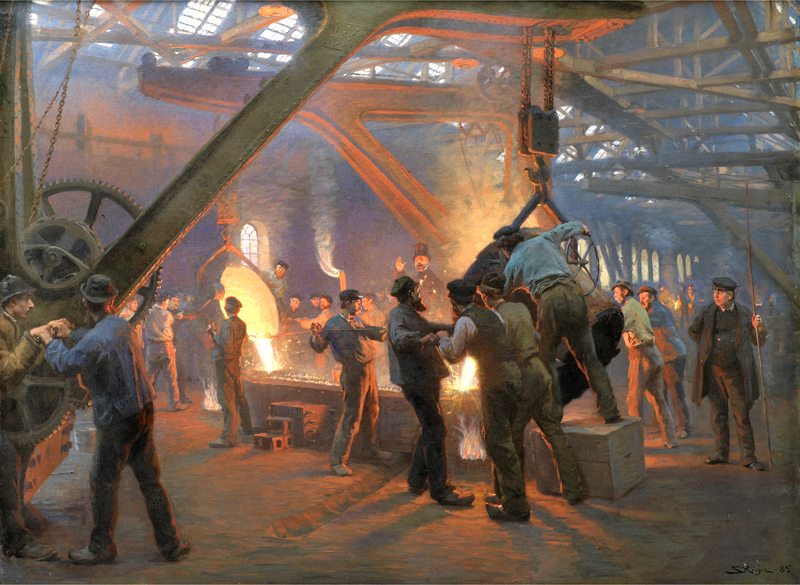
The ancient Sumerians were the first to fully master the art of mining and manufacturing copper. The purpose was multiple, starting from the production of various blades, knives, axes, swords, hooks, harpoons, hoes, arrowheads and spears, to top-quality sculptures, miniature ornaments, reliefs, jewelry, mirrors...
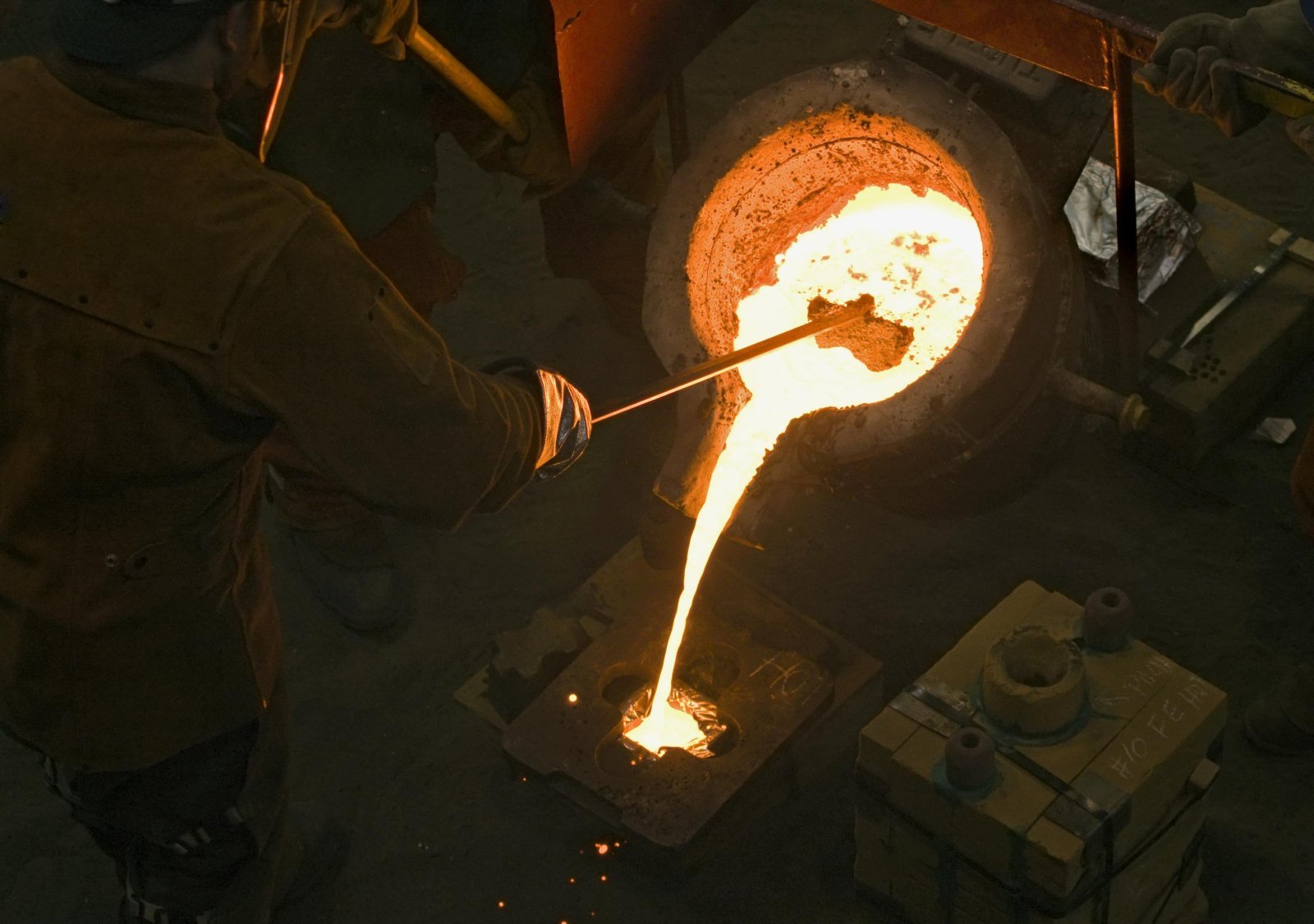
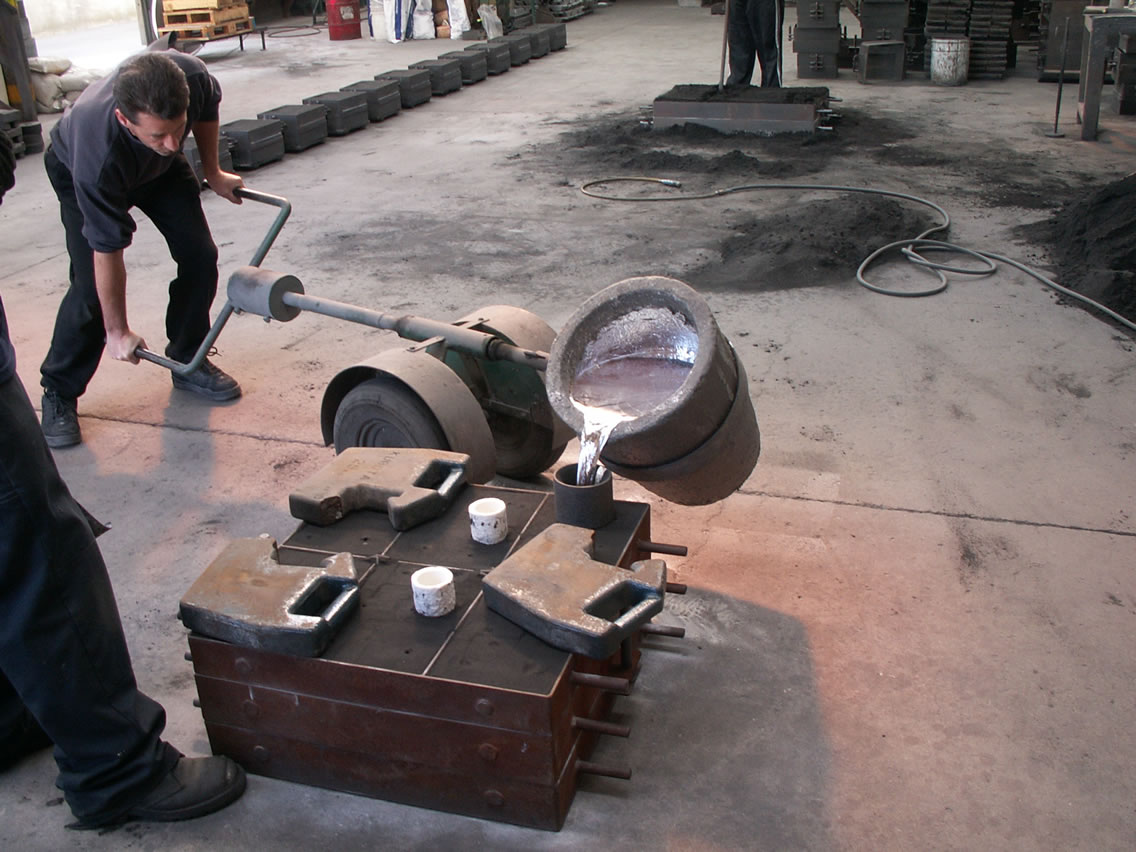
In Egypt, copper was used around 5,000 years before Christ, primarily for the manufacture of various tools and weapons, but also for the manufacture of various systems and constructions for water supply (Abu Sir, Nile Delta). Of course, in order to gain the strength of the material and to reduce the elasticity of the future object, the first foundries mixed copper with tin in various proportions and thus obtained bronze (for example, in China, the casting proportions, long before 1,200 years before Christ, were firmly set: two-thirds of copper was mixed with one-third of tin to make knives; one-half of copper and one-half of tin were used to make mirrors).
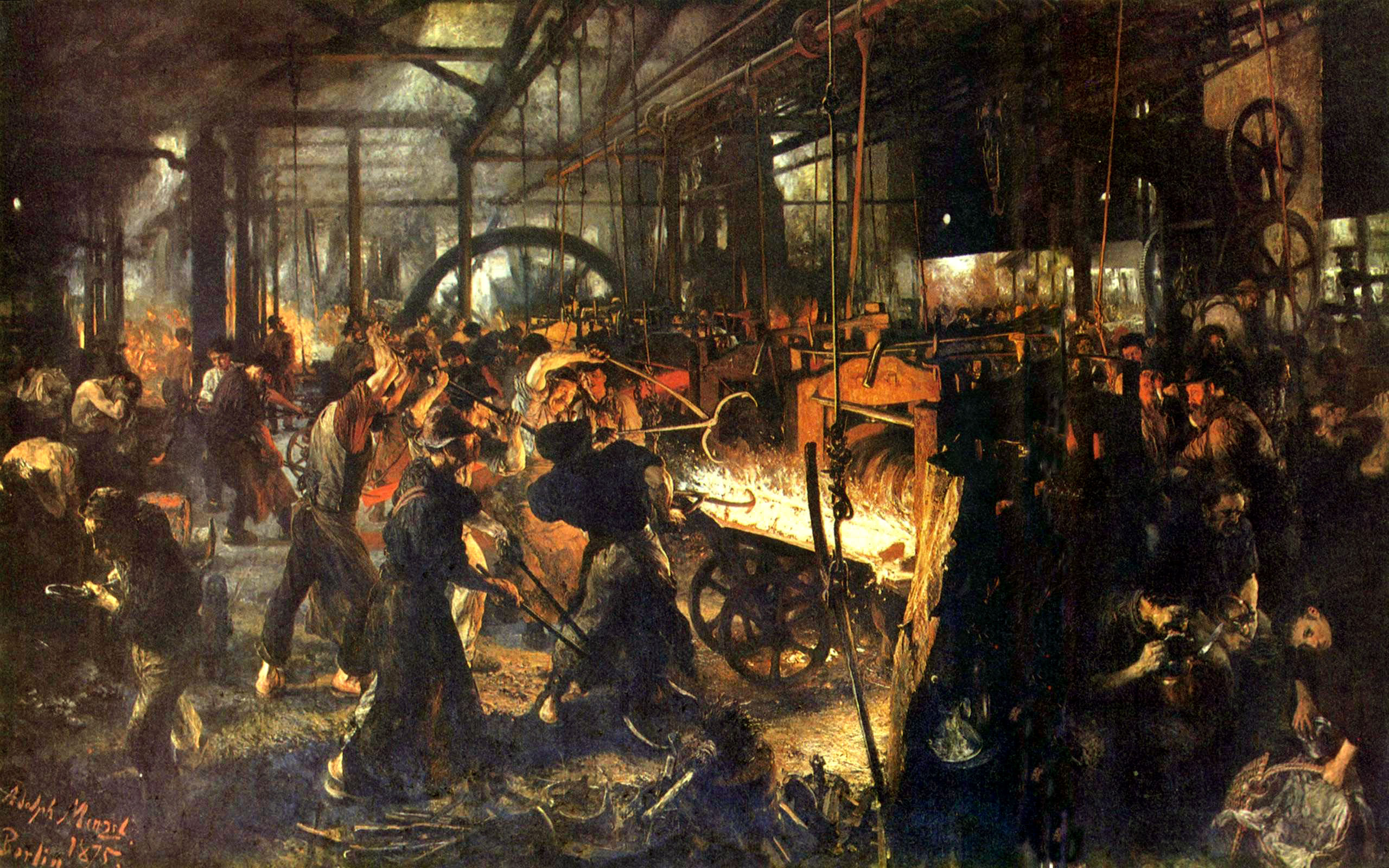
In ancient times, it came almost exclusively from the island of Cyprus, and was known as "Aes cyprium" (Cyprus ore) or in the shorter form "Cyprium" (the Latin name for the island of Cyprus). Later, the Latin name for copper - "cuprum" came into use. In English, the name "copper" is the Anglicized version of the aforementioned Latin phrase. The name "copper" is used by South Slavs and Turks for this metal.
The first mining and the first use of this metal took place mainly in the area where the first civilizations were conceived - the Mediterranean Sea and its surroundings (rivers: Euphrates, Tigris and Nile). It can be said with certainty that copper came into use in Hindustan and China around the third millennium BC. The first metal found was copper. This invention and its, over the centuries, ever wider application represented a turning point in the development of human society - the beginning of the metal age (the end of the Neolithic). Then the first groups of specialized miners, blacksmiths and metallurgists emerged.
The prehistoric metal age is divided into three periods: the copper (Eneolithic), bronze and iron ages. The Copper Age ends around 2,000 years before the birth of Christ and is succeeded by the Bronze Age.
The aforementioned division speaks of the importance of copper for the development of civilization as we know it today.
A red metal whose density is 8.94 kg/dm? - after precious metals (gold, silver and platinum), it is the best conductor of heat and electricity. It darkens from oxides with longer standing, and under the influence of air, over time, it becomes covered with a green patina.
It does not dissolve in dilute acids. In nature, it is rare in an elemental state, it can be found in rocks in the form of small grains, tiles, twigs or mossy interwoven threads (most often as chemically pure or with a small admixture of silver and bismuth). About 240 copper ores are known.
It is most abundant in sulphide ores (chalcopyrite, covellite, chalcosine and bornite), followed by oxide (cuprite) and carbonate ores (malachite and azurite). Sulfide and oxide ores are found in nature mostly with iron sulfide, and less often with sulfides of other metals (lead, antimony, arsenic and nickel). The copper content in the ores is relatively low. Rich ores contain 3 - 10% copper. Thanks to efficient beneficiation methods, even poorer ores are exploited, and the largest amount of copper today is obtained from ores containing 0.5 - 2% copper. From richer sulfide ores or from poor sulfide ores, copper is obtained by first performing the process flotation (Latin "fluo" - to swim). Flotation, i.e. the tailings separation procedure involves mixing finely ground ore and a lot of water to which a foaming agent (a special type of oil) has been added. The ore is concentrated in the surface foam layer, because it does not get wet, and the tailings sink to the bottom. In a further process, the oil is separated, which is returned to the flotation process, and the resulting concentrate is further processed.
Copper is separated by successive oxidation and reduction in pit or flame furnaces.
This is how copper or copper scale is obtained, with about 30 to 40% copper (+ 25% to 35% Fe and 25 to 35% S), and then raw copper or blister.
Raw copper contains 97% copper, but it is not yet usable because it contains impurities (iron, arsenic, gold, silver...). Impurities must be removed, either because of their value (gold, silver) or because of their harmful effects (iron, arsenic...).
This is achieved by smelting or, more commonly, by electrolysis (electrolytic copper contains 99.96 - 99.99% copper).
Refined (smelter) copper contains 99.0 to 99.9% copper. To check the quality of electrolytic copper, its electrical conductivity is relevant. Harmful impurities are considered: lead, sulphur, selenium, tellurium, bismuth (>0.003%) and oxygen, while arsenic, phosphorus, nickel, iron, manganese and silicon significantly affect the improvement of the mechanical properties of copper (all the mentioned impurities - reduce its electrical conductivity).
After melting and casting, copper is usually delivered for further processing in the following forms: cathode, wire, log and ingot.
Basic characteristics
Copper (Cu) is a chemical element of Group I of Mendeleev's periodic system (atomic number 29, atomic mass 63,546) - it has 18 isotopes whose atomic masses are between 58-73.
There were only two isotopes: 63 and 65 (that is, copper in nature consists of a mixture of the mentioned two).
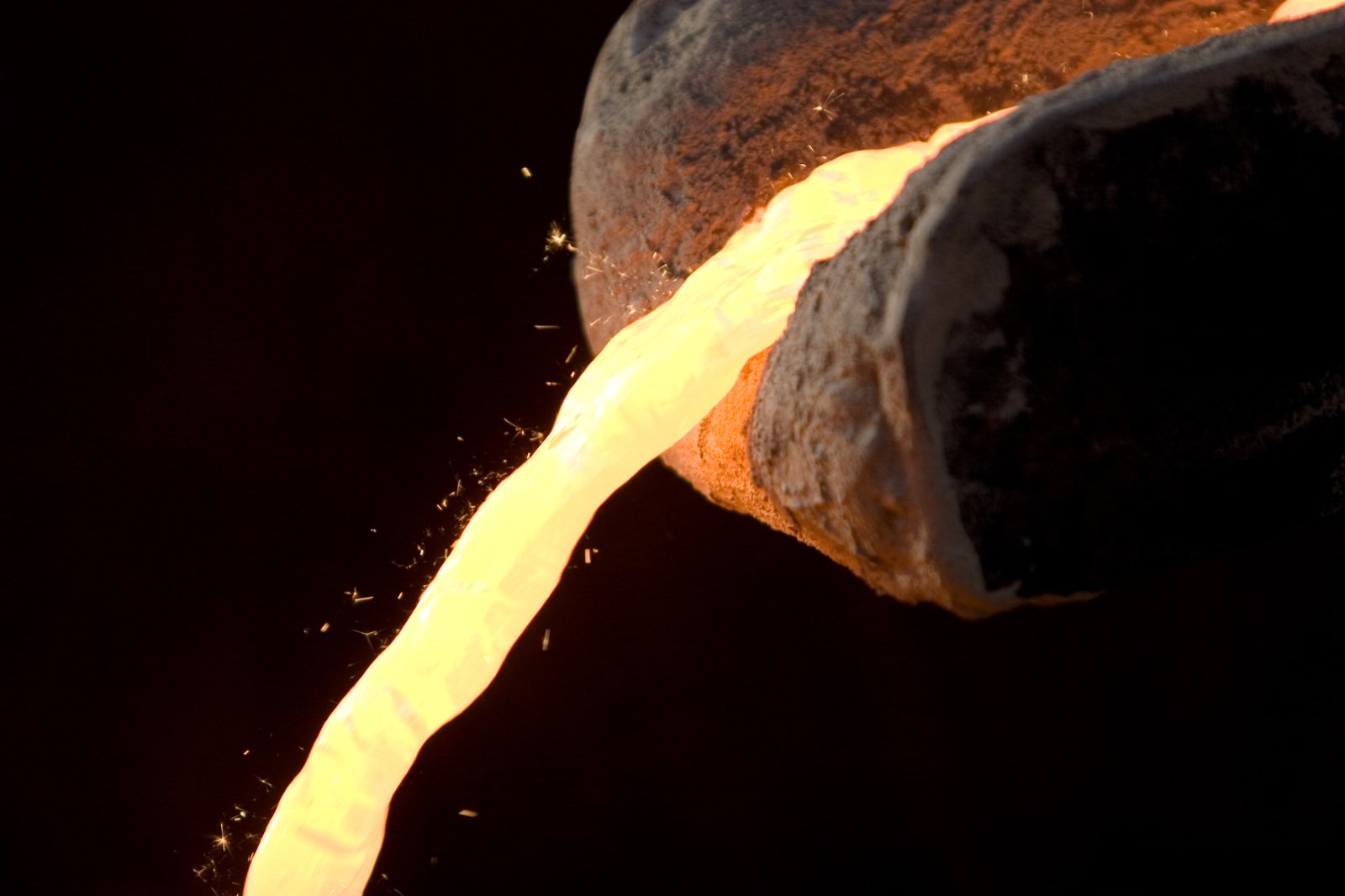
The melting temperature of copper is 1084.62°C, the boiling point is 2562°C, the critical temperature is 5148°C.
The specific gravity of deoxidized high-phosphorus copper, the one used in the production of copper pipes, (label: Cu-DHP) is 8.94 kg/dm?.
The coefficient of linear expansion of Cu-DHP at 25 - 100°C is 16.8 x 10?6 m/m.
The heat conduction coefficient of Cu-DHP at 20°C is 340 W/m°K.
Electrical conductivity of Cu-DHP (orientational) is 42 - 54 S.
It is represented in the earth's crust in an amount of about 55 ppm (eng. parts per million) in the form of minerals: chalcopyrite, chalcosine and others. It is represented in the sea in an amount of about 0.003 ppm.
Traits
Pure copper is reddish-brown in color, a soft metal, with very high thermal and electrical conductivity. It does not corrode in the air, but by standing on it for a long time, the copper is coated with a green patina of basic copper salts (hydroxy carbonate, hydroxy sulfate or hydroxy chloride). If there is a large amount of sulfur dioxide in the air, instead of a green patina, a black layer of copper sulfide is created.
Compounds
CuSO4 has bactericidal properties, and anhydrous is a strong alum (absorbs water). Complex compounds of copper are stable, however, the oxidation number of copper in such compounds changes quite easily, and that is why they are often used as catalysts. Aqueous solutions of copper salts have an intense green color, and solutions of copper salts have an intense blue color. Copper with tin, zinc, molybdenum and other transition metals form a group of melts generally called bronzites. The most famous of them are: tombak, which resembles gold and has very good mechanical properties and resistance to corrosion.
Due to its high melting point, copper alloys very well with other metals. It is most often alloyed with: zinc, tin, nickel, aluminum, manganese, silicon, beryllium, silver and gold (thus significantly improving their mechanical properties).
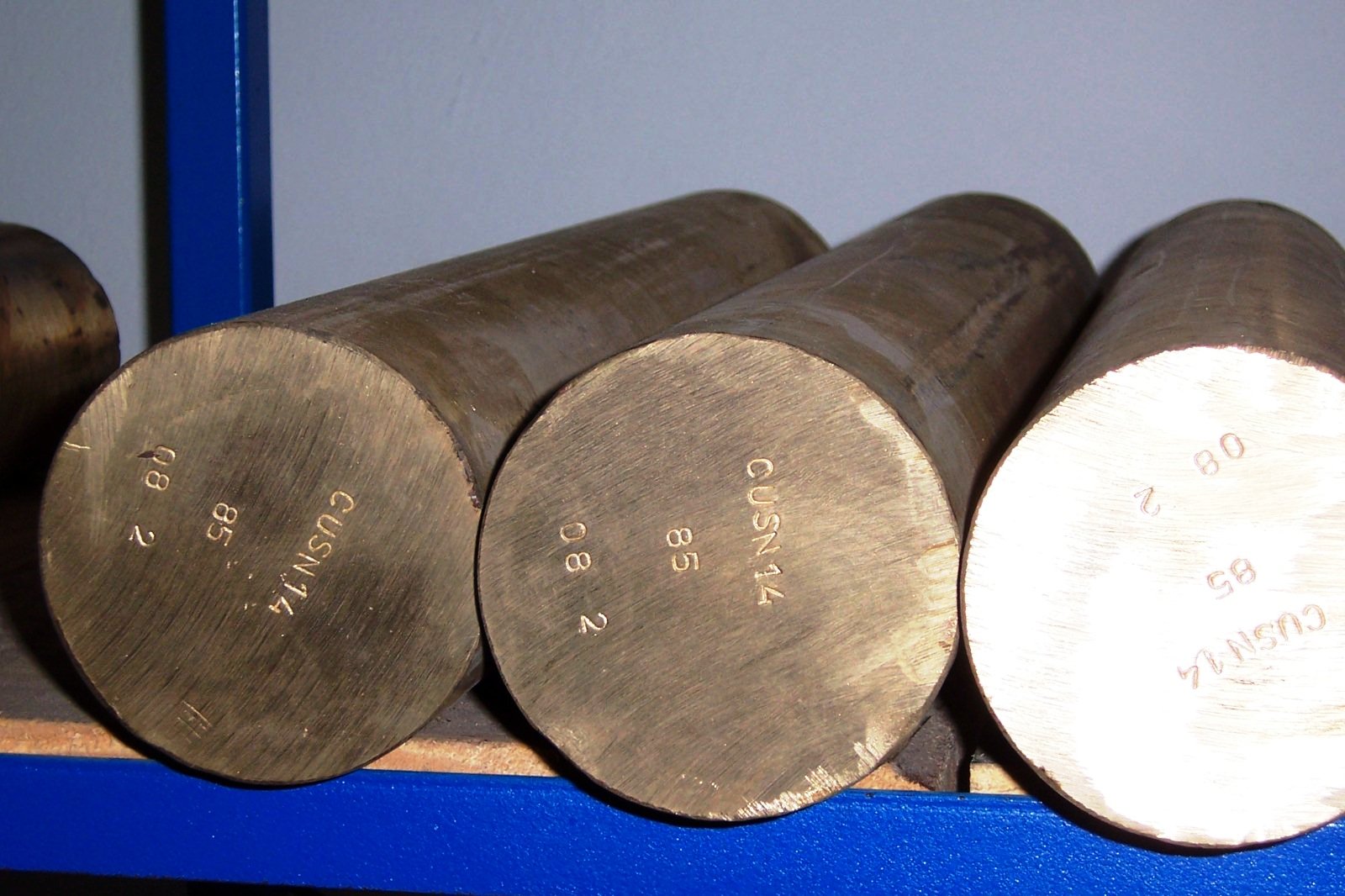
According to the nature of alloyed elements there are:
a. zinc-free alloys (bronze) and
b. alloys with zinc (brass, red cast iron).
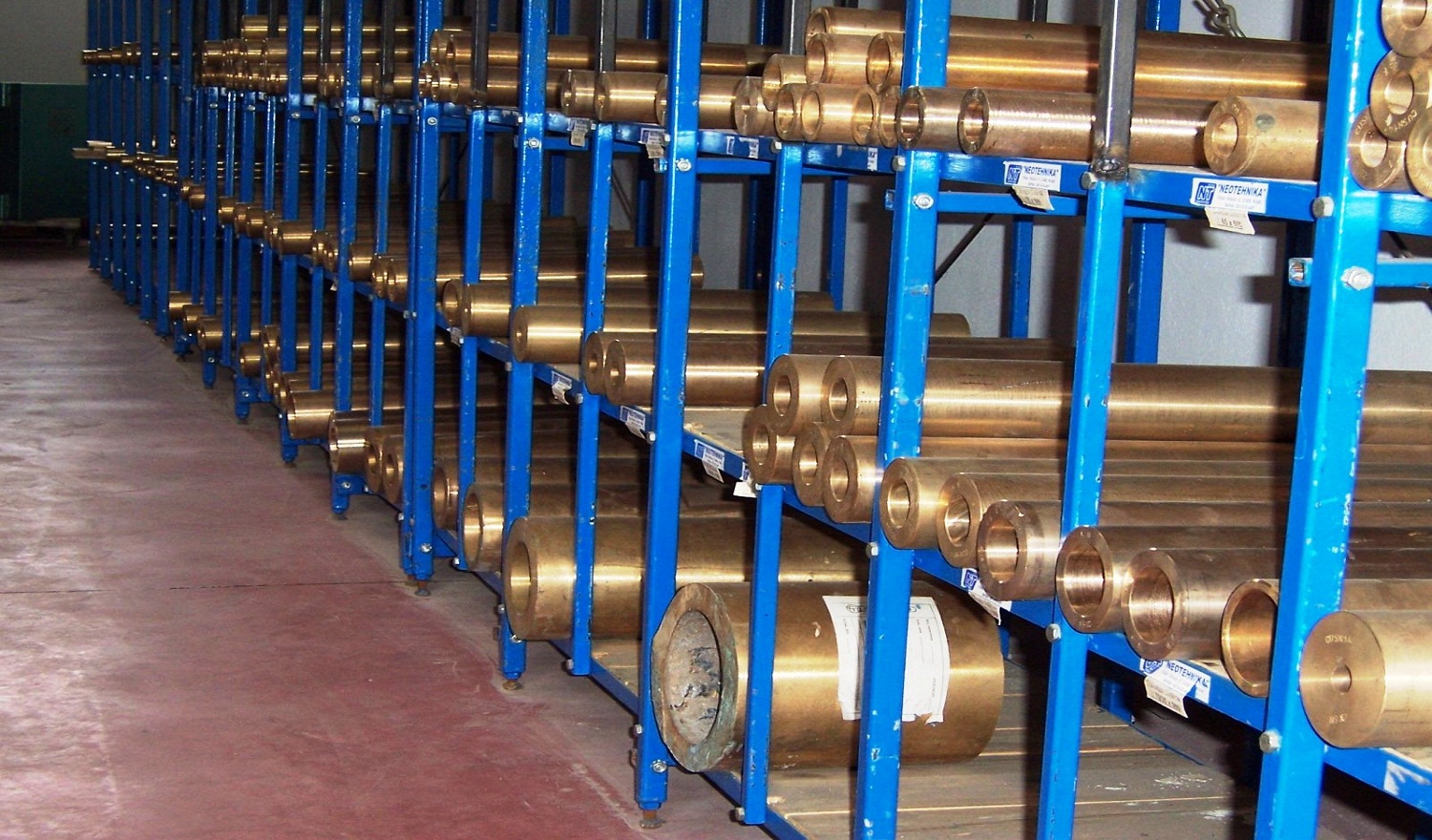
Bronze
According to the alloying elements, they are divided into two large subgroups
- Tin (as a basic alloying element)
- Special (where the basic alloying elements are aluminum, lead, silicon, nickel, manganese, beryllium, chromium... and are therefore called: aluminum bronzes, lead bronzes...).
Tin increases the strength and hardness of the alloy, reduces elongation and specific impact toughness. The mechanical properties of tin bronzes depend primarily on the percentage of tin in the alloy (usually no more than 20% Sn). The use of bronze is multiple: for making parts exposed to high pressure and friction, worm gears, for rotors and housings of turbines and pumps...
Special bronzes surpass tin bronzes in some respects, with a lower cost.
Brass
Brasses are alloys of copper with zinc (not more than 44% Zn) and alloys of copper with zinc and lead (up to 4% Pb). These alloys have excellent structural properties, high technological and mechanical characteristics.
Red cast
Red cast is copper alloy with tin and zinc (contains 2-10% Sn, 2-10% Zn and 0-6% Pb), usually with increased tin content - lower zinc content and vice versa. These alloys are used to make water and steam fittings, faucets, batteries, worm wheels...
Advantages of copper
electrical conductivity;
The highest electrical conductivity is possessed by: platinum, gold, silver and copper. Given that of all the mentioned metals - copper
- the cheapest and
- quantitatively the most widespread
its use in the process of transmitting electricity is the most cost-effective and practically, at the moment, irreplaceable.
excellent thermal conductivity;
Copper is used in the production of a wide variety of products (for which copper pipes of various shapes and sizes are primarily used) whose primary purpose is heating or cooling. At the same time, due to its property of rapid heat transfer, copper is a material that is also used to make containers for storing food.
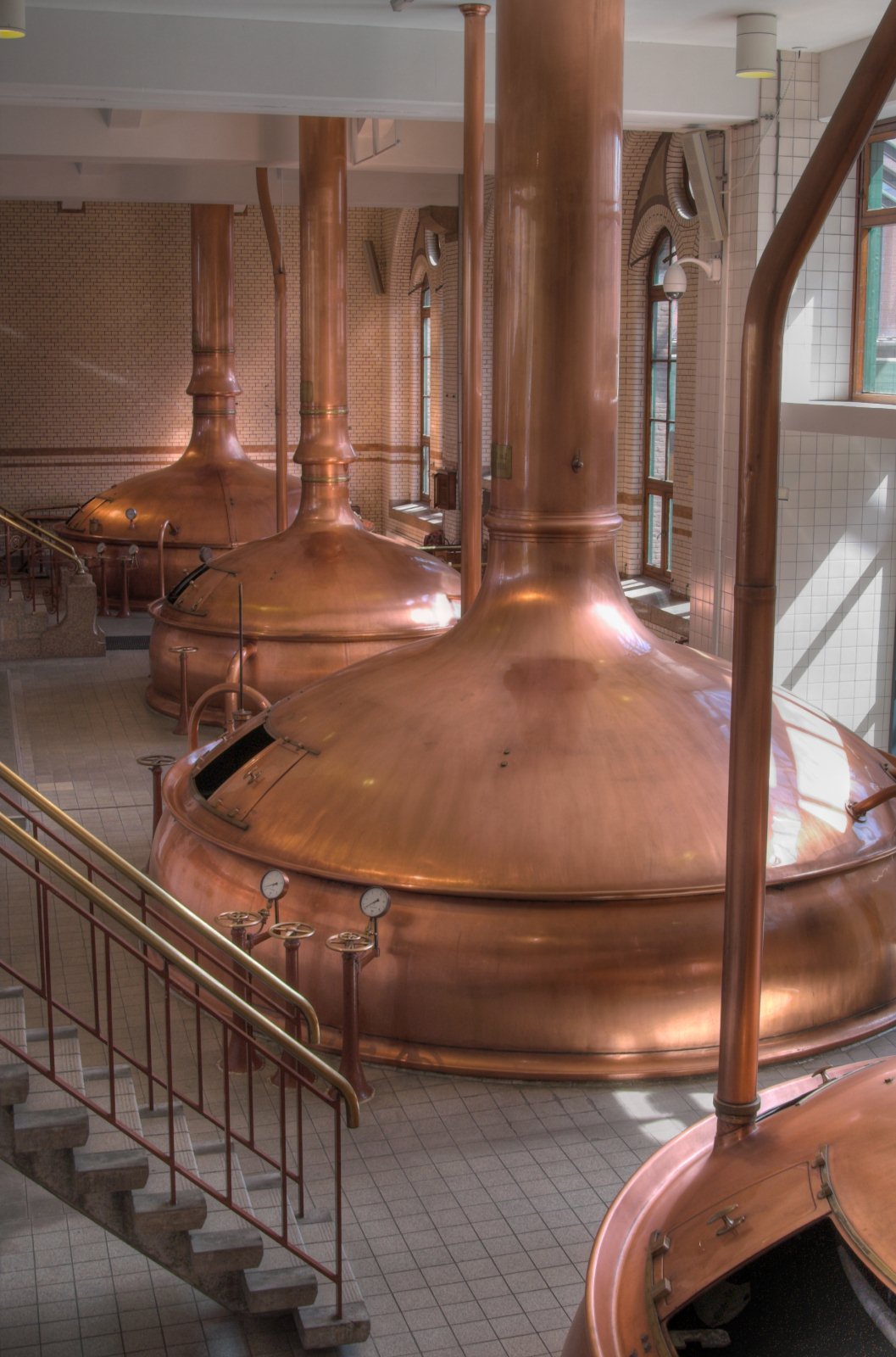
The durability of copper products is a fact that we emphasize in particular. The very existence of many water supply systems made of copper pipes (several millennia before the birth of Christ, in the area of ancient Egypt) and their unchanged use value is sufficient evidence of longevity.
high plasticity;
Copper is an incredibly suitable material for all kinds of processing and the production of various forms of resistance;
Products made of copper are resistant to various external influences (copper pipes withstand high pressures of fluids passing through them and have excellent resistance to aggressive external factors),
bactericidal property;
Copper has an anti-bacterial effect (prevents the development of bacteria). Considering this property, copper pipes are recommended for the transport of drinking water.
Copper products, if used in the prescribed manner, can serve for generations to come (as an example, we cite that plumbing systems made of copper pipes withstand multiple cycles of complete freezing-thawing, without changing their properties - without any damage).
possibility of recycling;
The ability to recycle and reuse copper without any change in its properties (with minimal losses during the recycling process approx. 0.01%) is one of its main characteristics. Based on the data of the European Copper Institute, according to currently available data, of the 15,000,000 tons of copper consumed annually in the world - a full 40% (or 6,000,000 tons) comes from the recycling of waste copper (copper from various forms). The recycling process is, at the same time, a form of saving (that is, recycling gives the opportunity to exploit the copper stock from the earth's crust more moderately). From the point of view of energy consumption and engagement of material resources, recycling (in relation to the complete production process from ore to metal) is the cheapest way to get copper. About 80% of the copper ever produced is still in use.
corrosion resistance;
it is ecological - natural material;
it is resistant to ultraviolet radiation;
does not absorb organic substances;
it is resistant to incrustation;
There is no accumulation of limestone from the water on the inner surface of the copper pipes - which is a regular occurrence with plumbing installations made of other materials.
it is possible to make a wide range of alloys from it;
not flammable;
it is very decorative.
The specific red color of copper objects is very warm, pleasant and unobtrusive, at the same time, it turns into a noble patina over time (under the influence of atmospheric conditions). Copper is a metal that, in the form of its alloys, is most often used in the production of various works of art (primarily in the manufacture of jewelry and in sculpture).
The popularity of copper, over the millennia, is based on a combination of properties that make it unique.
The use of
Copper is widely used for the production of:
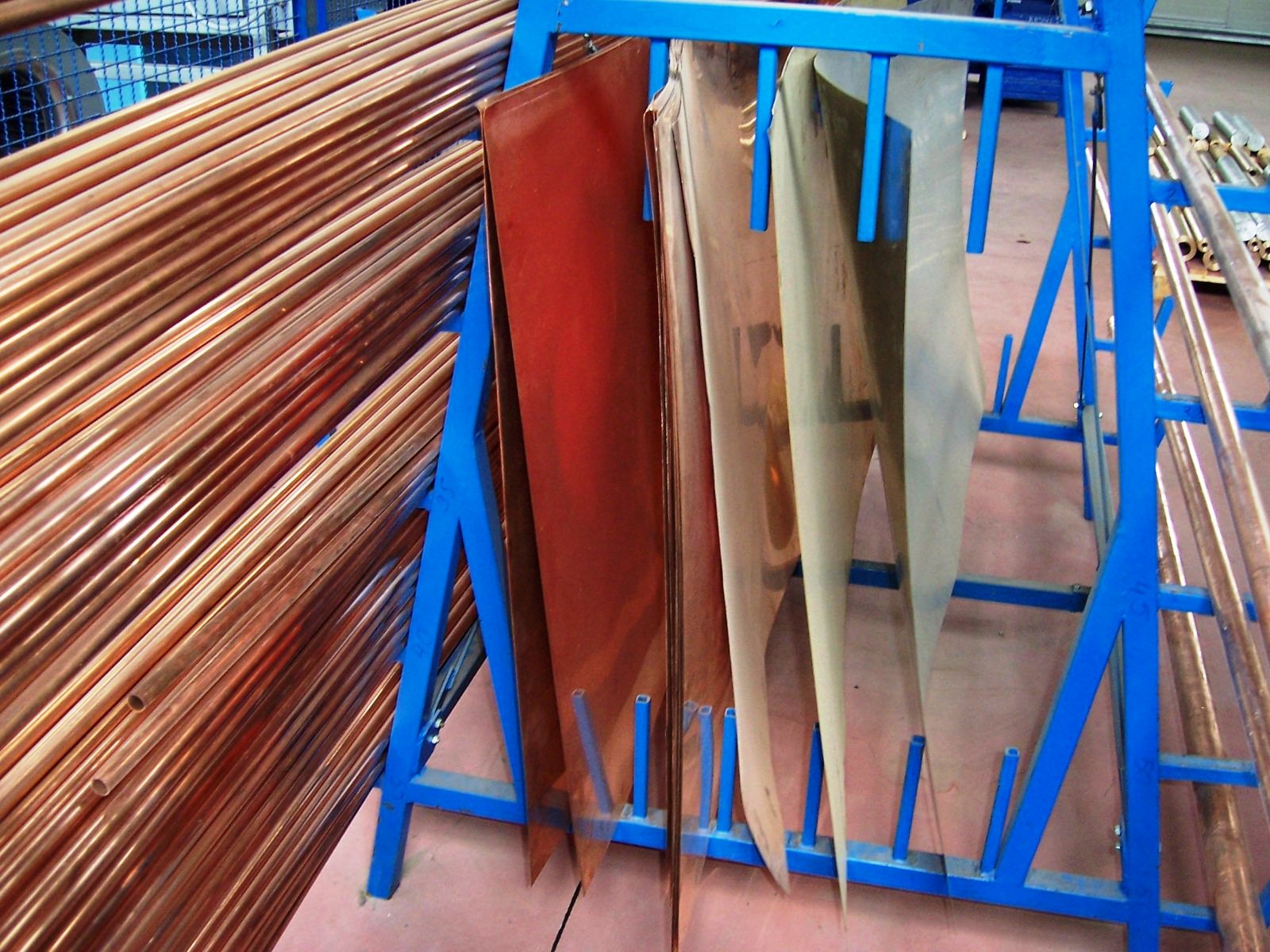
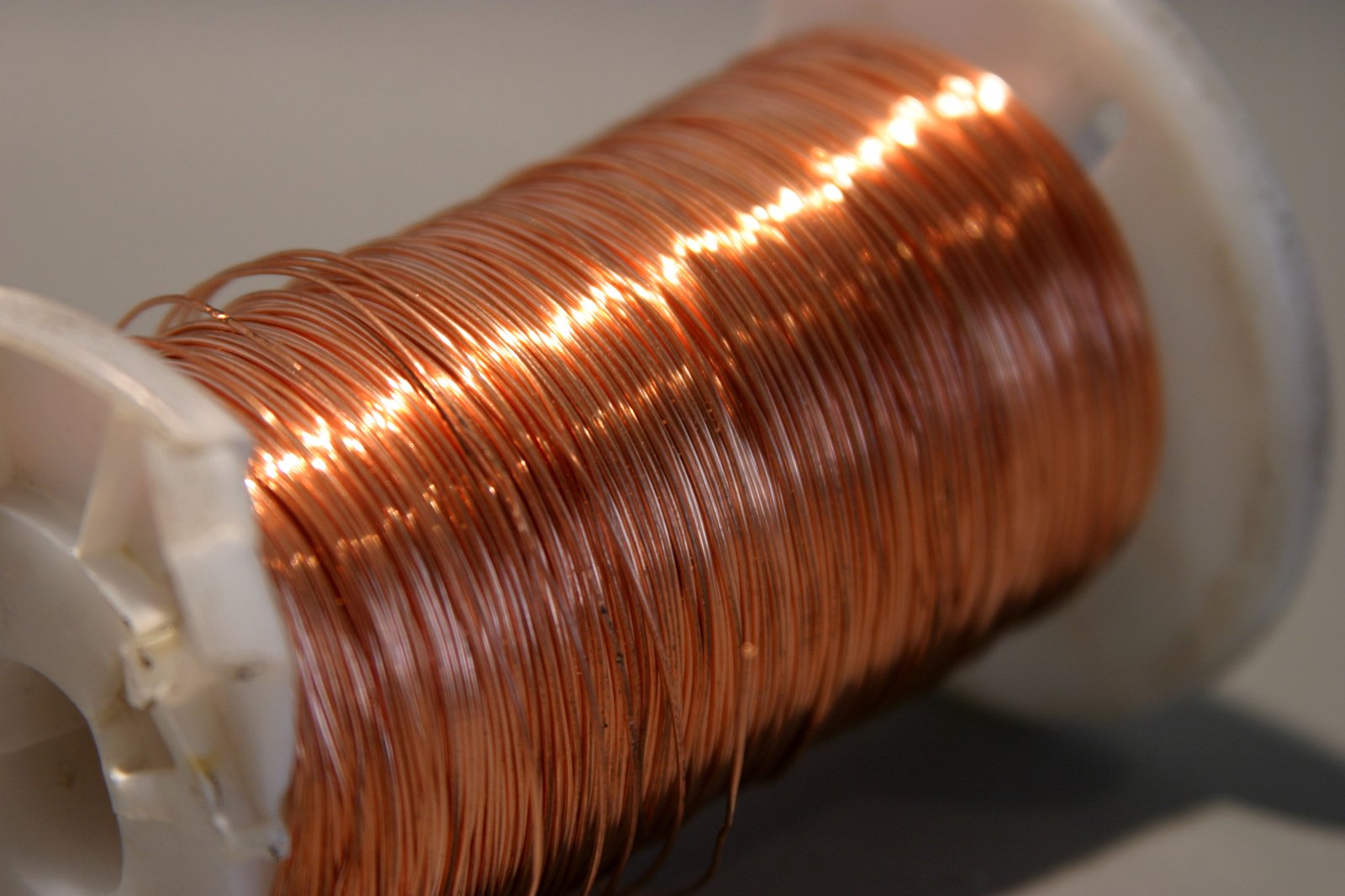
electrical conductors - wires (and in electronics in general); pipes (intended for installation systems of water supply and gas, heating, cooling plants and devices, collectors for the use of solar energy, heat exchangers, production of various heaters, fire protection systems...);
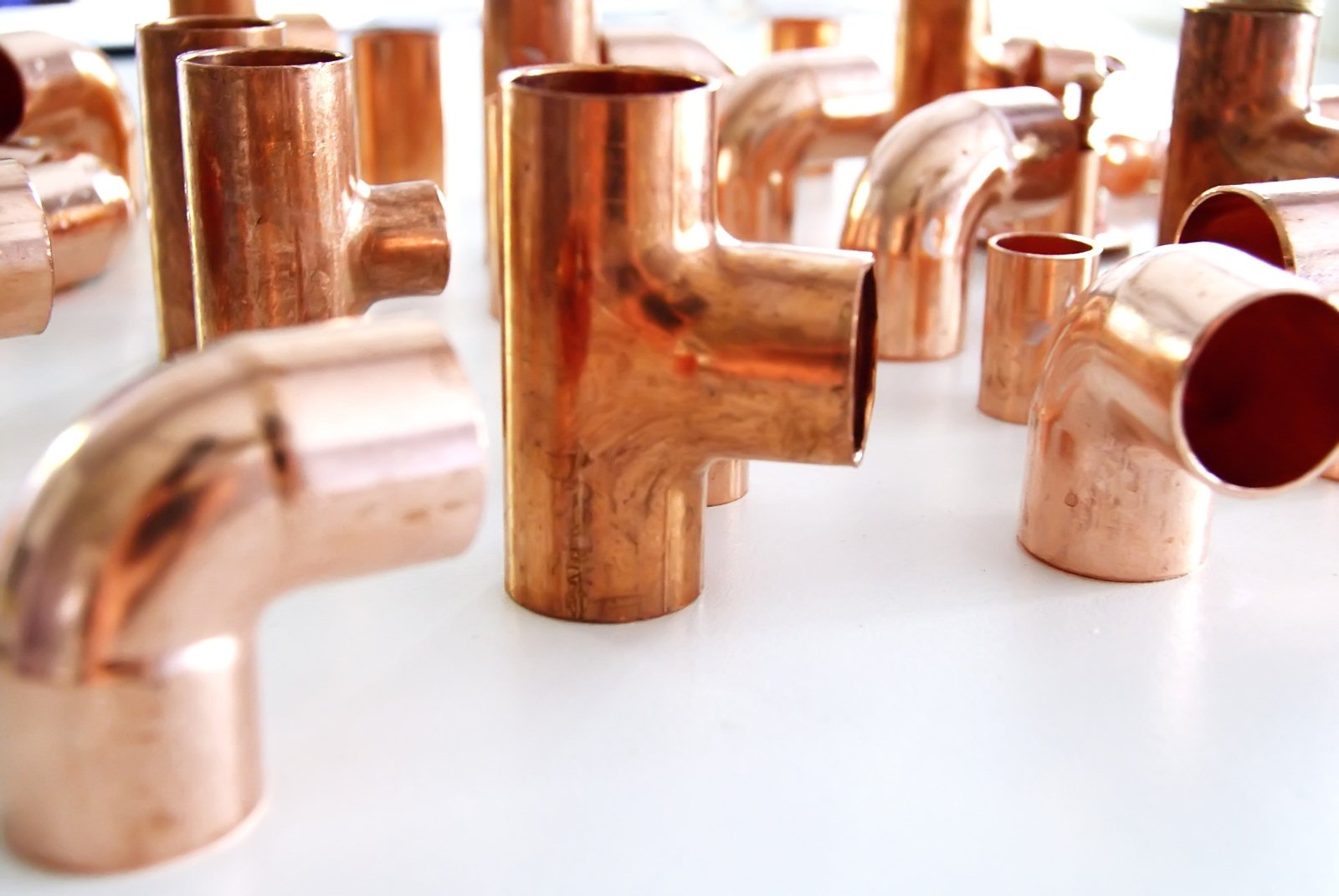
fitting (elbows for connecting copper pipes);
cables;
sheets (for covering roofs...);
bronze (application in mechanical engineering, for making springs, screws...);
brass (application in electrical engineering, for making bars, wire, decorative objects...).
There is not a single industrial area where copper does not have its useful application (however, it is most represented in the refrigeration and white goods industry, machine industry, shipbuilding, chemical industry, motor vehicle industry, food industry, construction, computer industry, telecommunication equipment industry, medicine, chemical industry...).
Due to limited reserves and large application, copper is a material of strategic importance.
Copper pipes and drinking water transport
Copper is a natural material and pipes made of it are recommended for transporting drinking water; at the same time, with its biological properties - copper additionally protects the quality of drinking water from the spread of various bacteria.
On the inner surface of the copper pipes, there is no accumulation of limestone from the water (so-called incrustation).
During the passage of water through new copper pipes, a permanent protective layer is formed on the inner surface of the pipes (thickness of several tenths of a millimeter) - which enables their unhindered use in drinking water supply installations (the aforementioned permanent protective layer prevents erosion of the inner surface of the pipes).

Biological importance of copper
Copper is a trace element that occurs in the reactive centers of many enzymes. It is needed for the creation of red blood cells, it is part of hemocyanin, it has a positive effect on the cell membrane of nerve cells and it has an effect in sending nerve impulses. A minimum daily intake of 0.5 ppm is required. Copper deficiency leads to Wilson's disease.
On the list of the most abundant chemical elements in the human body, copper is in third place, after iron and zinc. In our body, copper is mainly found in muscles, bones and liver. It is also very important for the skin - it stimulates the process of formation of connective tissue and protects cells from the effects of free radicals (free radicals are the main cause of skin aging). A lack of copper can also cause anemia, because an insufficient amount of copper causes poorer "absorption" of iron and a decrease in the number of blood cells. It is assumed that the lack of copper causes disturbances in the work of the heart and slows down the work of the nervous system (for example: poor concentration). Lack of copper also reduces the amount of white blood cells, and therefore the body's resistance to diseases. The biggest source of copper in the diet is seafood, and among them, oysters contain the most copper. And it is found in peanuts, sardines, liver, potatoes, boiled offal, kiwi, black bread and all other cereal-based products from which the shell has not been removed. ) and is made of pure copper.
The oldest bronze coins found date from the Ying-Shang period 1750 - 1122 BC (far eastern cultures known for their use of bronze).
The most famous and most commonly used copper salt is copper sulfate pentahydrate, popularly known as "blue stone". It is used as a fungicide and insecticide in viticulture and fruit growing, because copper is poisonous to organisms of a lower level of development. Its production and use began in the time of the ancient Egyptians.
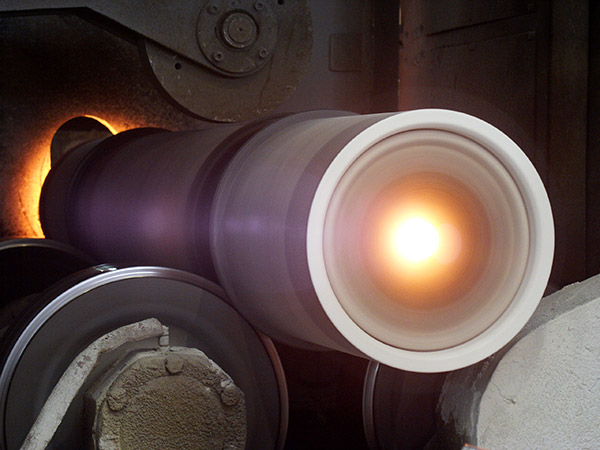
Castings made of pure copper (high electrical and thermal conductivity) are used for the production of machine parts in electrical engineering, for electric furnaces, they are used in the production of welding aggregates, in blast furnaces and chemical aggregates.
On the basis of archaeological research conducted until 2001 and evidence collected at the sites: Belovode and Belolice (eastern Serbia), eminent archaeometallurgists claim that the Vinča culture, otherwise the largest prehistoric culture in Europe (5500 - 4000 BC), knew copper processing even before 7000 years. Based on this, we can draw the conclusion that the early Eneolithic mine - Rudna glava (nearby Majdanpek) and the prehistoric copper deposits of Belovoda and Belolica (nearby Petrovac na Mlava) represent the cradle of European metallurgy.
Thanks to the mentioned property and high plasticity - copper has been one of the basic materials in the production of metal coins for many centuries.
Of the total estimated reserves of copper in the earth's crust, it is assumed that about 12% have been extracted and used so far. At the same time, according to experts' estimates, Russia, Chile and the USA own the largest copper reserves.
Pure gold is so soft that it can be bent with your fingers. In order to achieve the strength of the material, even 24 karat gold must contain a certain amount of copper. For making jewelry - gold alloy AuAgCuZn is widely used.
Today's medium-sized cars contain about 22 kilograms of copper. Namely, we are talking about copper in the form of cables, wires and parts made of special alloys.
A mobile phone consists of parts that contain about 19% copper.